AP Forest School
Learning rooted in the landscape.
Set within ancient woodland a short walk from the River Rother.
What is Forest School?
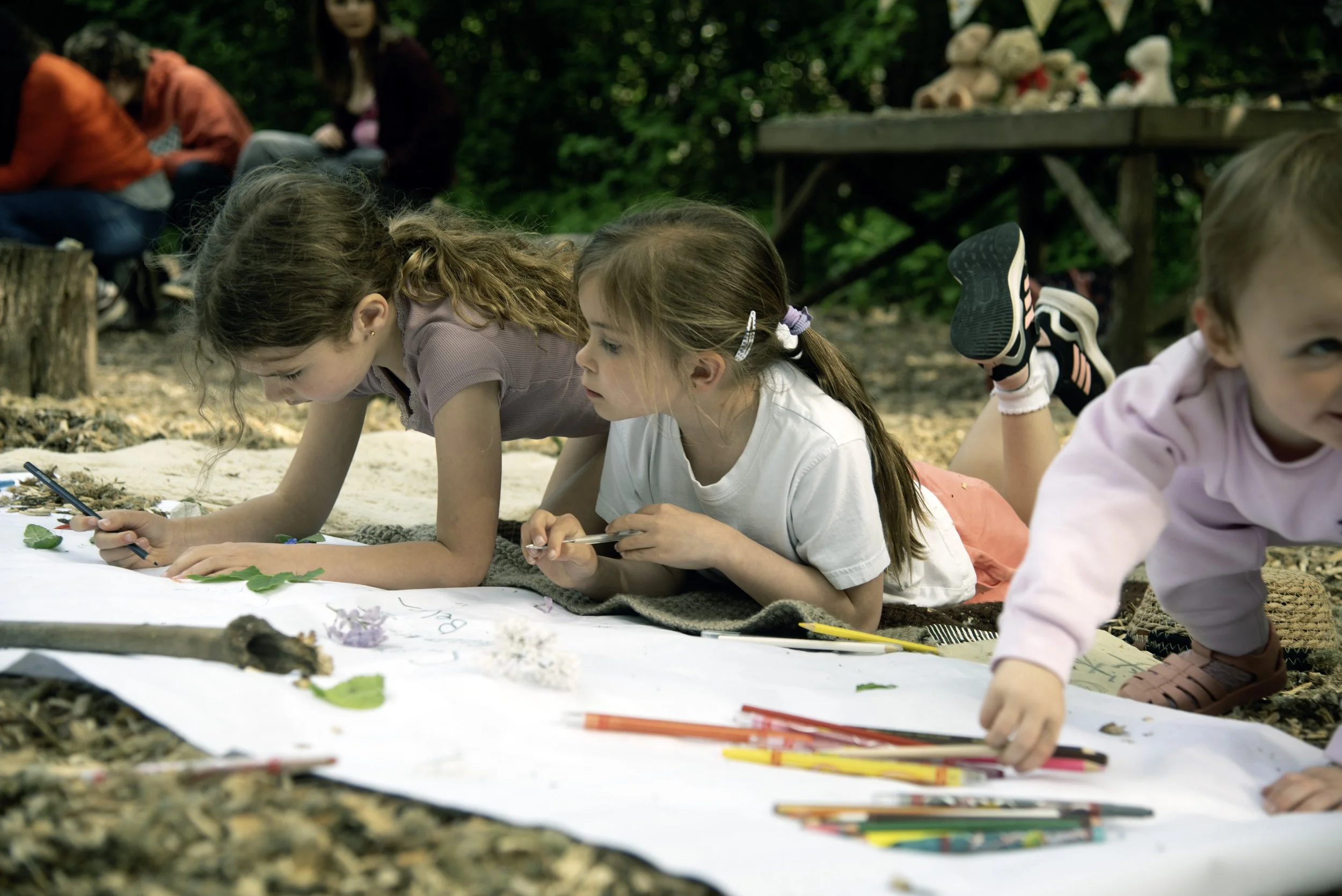
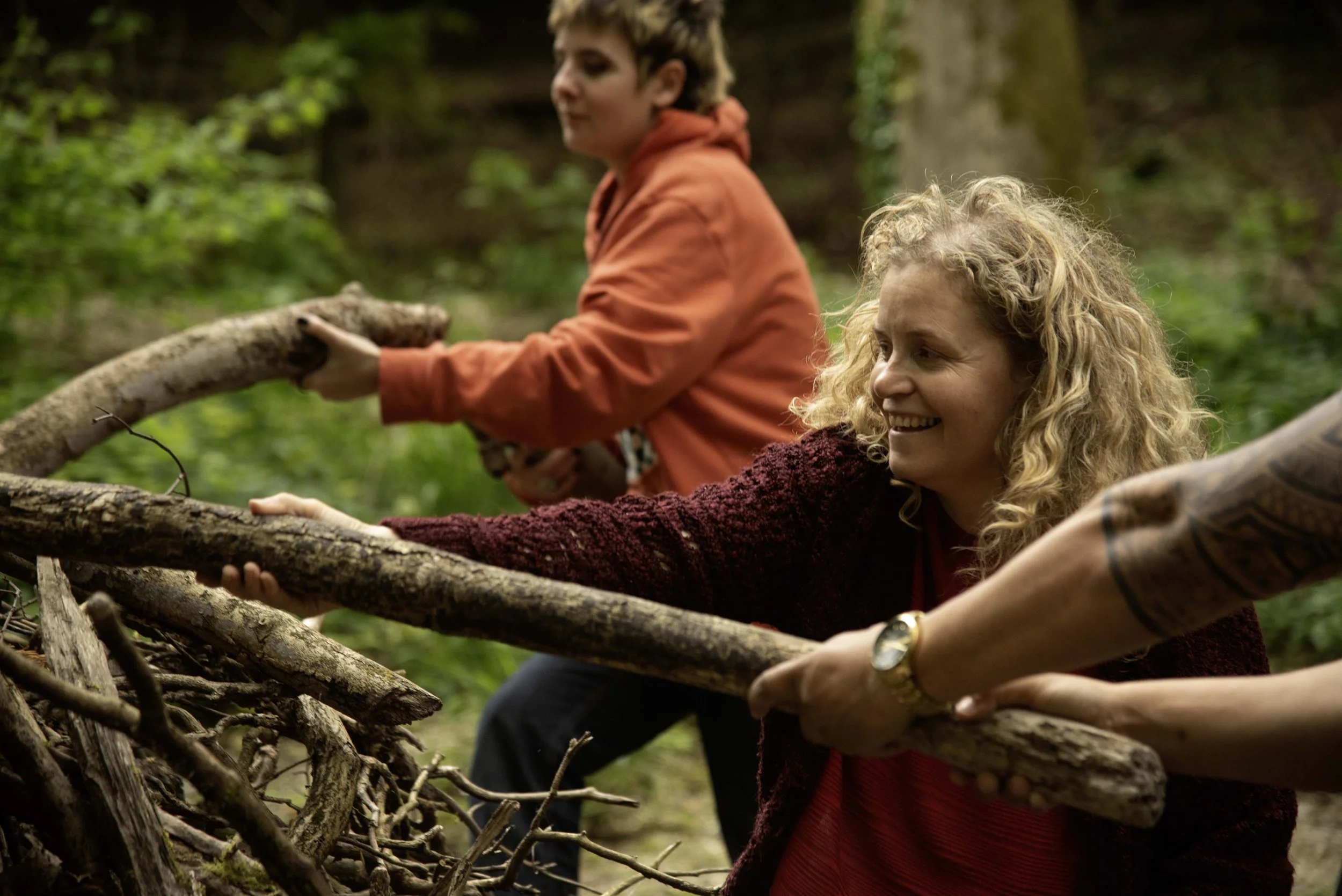
Forest School is a child-led approach to learning that happens outdoors, in the same natural space, over time. Instead of being taught about nature, children live in relationship with it — building dens, lighting fires, solving real problems, and taking managed risks under the guidance of trained adults. It isn't a one-off trip to the woods; it's a regular, long-term rhythm that supports children’s physical, emotional and spiritual development.
Sometimes children don't need a different education. They need a different environment.
Wild Trout Foundation delivers a nature-based Alternative Provision for primary-aged children in East Sussex. Our sessions take place at Park Farm within a beautiful parcel of ancient woodland, with access to meadows, farmland and other natural spaces.
We believe children don't simply learn in nature; they develop a relationship with place.
Who is it for?
Children who are struggling to access mainstream school — including school refusers, and children experiencing anxiety, mental health difficulties, SEND, or who are looked after (LAC).
Why we exist
After more than fifteen years in primary education, our founder Katie Molloy came to a simple conclusion: every child deserves to be seen for who they are, not simply the difficulties they are experiencing today. At Wild Trout, we believe in children until they believe in themselves.
How We Work
We are a consent-based provision. Children are encouraged to make choices throughout the day within clear boundaries, guided by experienced adults who continually assess risk and create opportunities that are both safe and appropriately challenging. Every experience has purpose.
Climate & Nature Connection
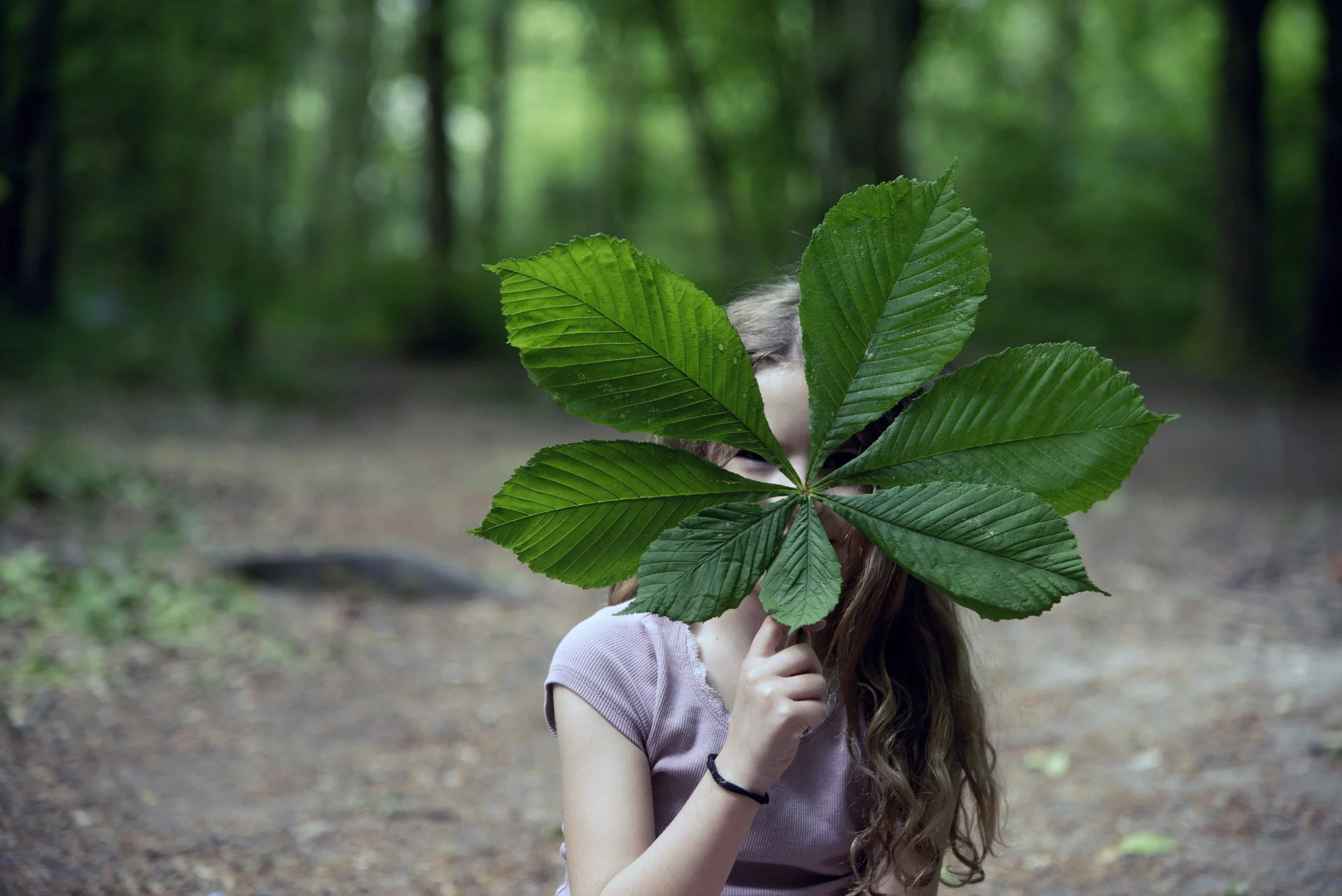
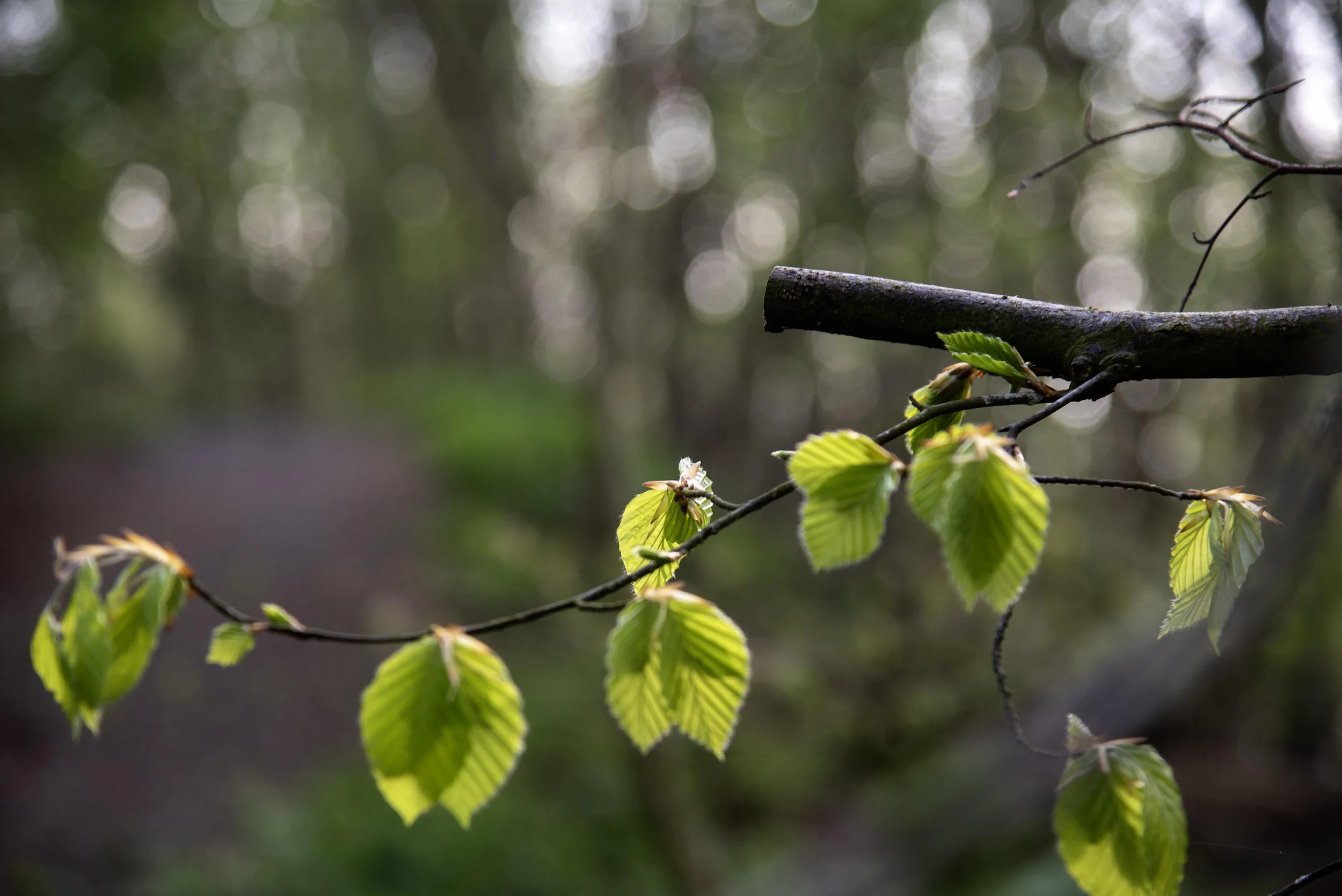
Every session is shaped by the seasons and the landscape around us. Children return to the same woodland again and again, building a real, lasting relationship with place — noticing what changes, what grows, what disappears and returns. Research shows children are far more likely to care for the natural world when they have regular opportunities to experience and connect with it. Climate awareness and conservation aren't a separate lesson here; they grow naturally out of time spent outdoors, season after season.
As a Community Interest Company, our commitment to nature isn't just educational — it's practical. Our Ecological Impact Report sets out how we're working to increase biodiversity on our site, through meaningful, purposeful projects that children take part in directly: planting, habitat building, monitoring, restoring. Conservation becomes something a child has actually done, not just learned about.
Our Provision
Our team includes experienced, qualified teachers and skilled Forest School Leaders. A placement begins with a thorough induction. We take time to understand the child alongside their family and the professionals who know them best. Together, we agree achievable targets, which will support any current Education, Health and Care Plan (EHCP). The child remains at the centre of every decision.
Communication
We work alongside parents, carers, local authorities, SENCOs, social workers and mental health professionals.
Safeguarding
Creating a place where children feel emotionally safe is only part of our responsibility. Keeping children safe is fundamental to everything we do. Wild Trout has robust safeguarding, health and safety and risk management procedures in place. We work closely with schools, local authorities, social care and other agencies to ensure children receive safe, consistent and well-coordinated support.
If you're interested in discussing this further — cost, referral process, or whether Wild Trout may be right for a child — contact us.
FAQ
What happens during a session?
Each session follows a gentle rhythm, with a safe, predictable routine that helps children feel secure. Activities are consent-based and may include den building, fire lighting, nature exploration, storytelling and quiet time in the woodland.
My child is neurodivergent. Will Forest School work for them?
Many neurodivergent children thrive outdoors. Nature provides a rich, multi-sensory environment where children can move, explore and regulate in ways that are often difficult indoors. We have experience supporting children with ADHD, autism, dyslexia, sensory processing differences and attachment needs, but above all, we see the child before the label.
What should my child wear?
Forest School takes place outdoors throughout the year. Children should wear clothes they don't mind getting muddy, along with suitable waterproofs, warm layers for colder days and cool long trousers and tops for hotter days. Sturdy footwear must be worn. There is no such thing as bad weather — only unsuitable clothing. If outdoor clothing is a barrier, please speak to us in confidence.
Where do sessions take place?
Park Farm, Junction Road, Bodiam, Robertsbridge, East Sussex, TN32 5XF.
How do I book?
If you'd like to book a place, discuss funding pathways, arrange a visit or simply find out more, we'd love to hear from you.
Get in touch below and we'll be happy to help you take the next step.